Go straight to the words

Conversation Eleven

Good Days Have a Way of Costing Something

A Conversation about what tends to happen the day after a good one.

Last time I said you probably don’t need to try harder. I’d like to stay close to that today, because there’s something that happens right next to it.

You wake up and you feel better. Not well. Better. Getting out of bed doesn’t take the usual negotiation, and you notice it before your feet are properly on the floor.

And you know what happens next, because it has happened before.

You do the washing that’s been sitting there. You finally clear the closet you’ve been looking at since spring. You get out to the garden bed you can see from the kitchen window. You feel pleased with yourself, and you should — none of it was going to do itself.

Then a day later, sometimes two, you can barely move.
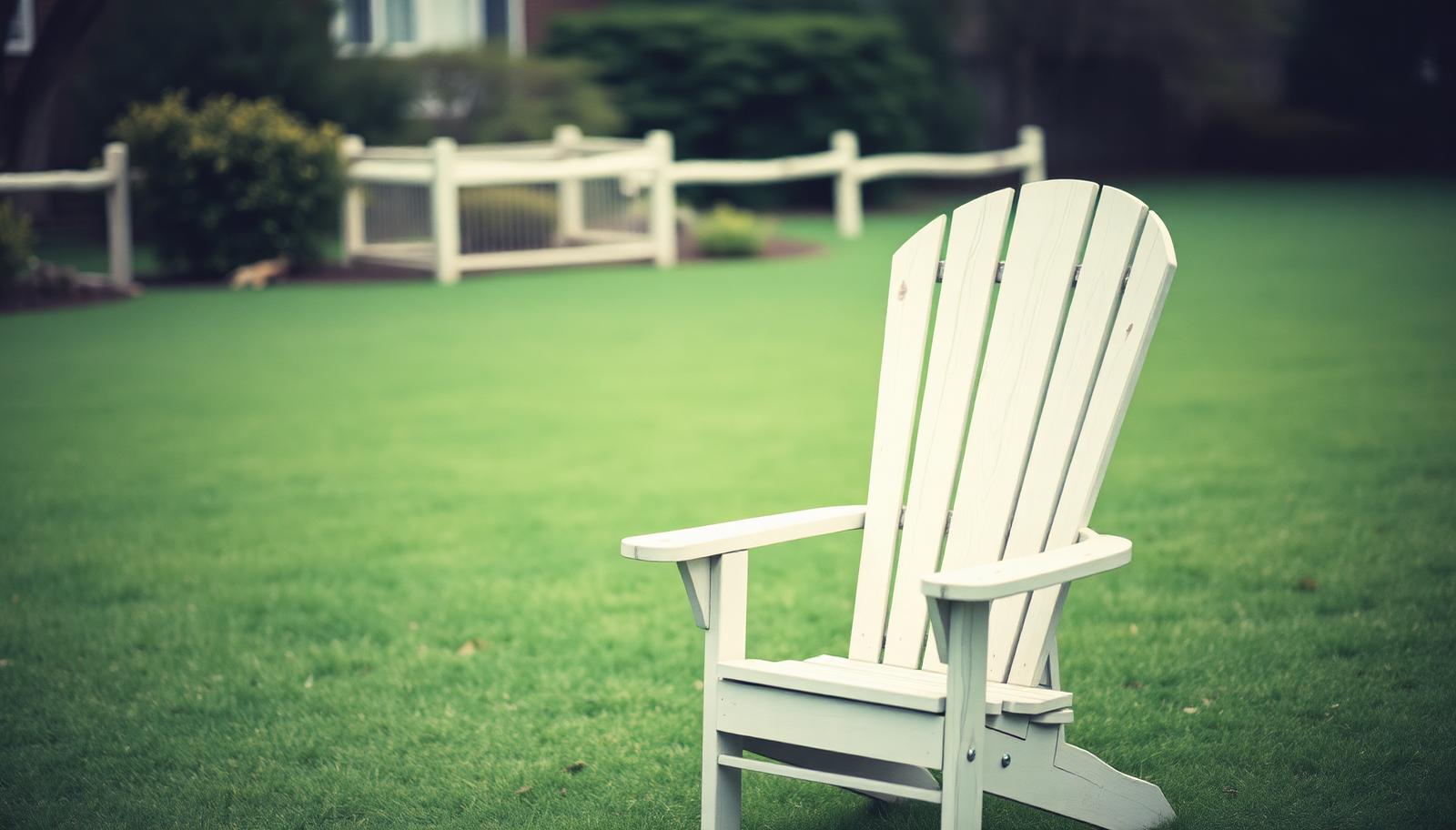
An empty wooden garden chair on a quiet lawn in soft afternoon light

It isn’t the sore day I most want to talk about. It’s what you say to yourself while you’re in it.

I overdid it. I always do this. I can’t even be trusted with a good day.

I’ve heard that sentence, or one very like it, more times than almost any other. It’s usually said lightly, with a small laugh, the way we say things we’ve decided are simply true about ourselves.

I’d like to tell you what I think actually happened that day, and I don’t think it was a failure of judgement.

Look at what you spent the good day on. Not a bath. Not the garden chair. You spent it on the washing and the closet and the garden bed — on the things that have been waiting for you for months.

That’s not carelessness. That’s what anybody does when a window opens and you have learned, from experience, that windows close.

What do your good days usually get spent on?

There’s a second thing, and it’s harder to see from the inside.

On an ordinary day, your body tells you when to stop. The ache halfway up the stairs. The tightness after twenty minutes at the sink. You’ve been listening to those for so long you probably don’t think of it as listening.

On a good day, those are exactly the things that have gone quiet. That’s what makes it a good day.

So you keep going — not because you ignored anything, but because nothing spoke up. The thing that usually stops you had the morning off.

And then when the sore day comes, it doesn’t feel like the cost of a long afternoon. It feels like a verdict. It feels like being told no, still, after all this. That is the part that does the real harm — not the tiredness, but what you conclude from it.

This is the place where advice usually arrives, so let me tell you what I’m not going to say.

I’m not going to tell you to pace yourself. You’ve been told. It’s reasonable advice and it’s almost impossible to follow, because it asks you to stop while you still feel fine, for the sake of a day you can’t feel yet — and nobody has ever told you how much is too much. Being told to pace, without being told how much, is just being told to be careful forever.

I’m also not going to tell you the good day wasn’t real. It was. Something eased. That matters more than the sore day that followed, and I’d rather you kept it.

What I would say is this. The cost of a good day isn’t evidence that you’re going backwards. You have less to spend than you used to, and you spent a month’s worth of catching up in one afternoon. Anybody would have been sore.

And having less to spend is not the same as having a limit. It’s the sort of thing that can be understood, and worked around, and often — slowly — built back up.

The next time you wake up and realize it’s going to be a better day, notice what happens next.

I have a feeling your first thought may not be what would feel good today?

It may be what can I finally get done?

And if it is, I understand.

There are things waiting for you. Things you haven’t been able to do on the harder days. And when your body finally gives you a little room, of course you want to use it.

I don’t want you to change that yet. I just want you to notice it.

Because maybe the problem was never that you can’t be trusted with a good day.

Maybe you’ve simply been trying to fit everything the harder days took away from you into the few hours your body finally gave back.

— Tammie

One peaceful step

Only if it feels right, and not necessarily the very next time.

On a better day, choose one thing from the waiting list — just one — and one thing that is simply for you. The garden chair counts.

If the sore day comes anyway, it is information about how much you had to spend, not a judgement on you.

Nothing here is required reading. It’s simply where this conversation came from, gathered in one place so you can see it for yourself if you’d like to.

  1. Activity pacing, avoidance, endurance, and associations with patient functioning in chronic pain: a systematic review and meta-analysis

    Andrews NE, Strong J, Meredith PJ · Archives of Physical Medicine and Rehabilitation · 2012 · doi:10.1016/j.apmr.2012.05.029

    On the familiar pattern of doing a great deal on better days and paying for it afterward, and what is known about gentler pacing.

Research keeps moving, and so do we. Where something here is still uncertain, we would rather say so than sound more certain than the evidence allows.

Know someone who may need these words? You’re welcome to share this Conversation.

Stay in touch with Tammie

You shouldn’t have to remember where you found something that finally made sense.

Leave your email if you’d like to hear from me when I have something I believe could genuinely help — a new free page, a practical guide, or an important Peacefully Stronger update. There is no schedule and no sequence. Some months there may be nothing at all.

By leaving your email, you’re asking Peacefully Stronger to email you about meaningful new additions. You can leave with one click at any time. Privacy.

The conversation continues whenever you’re ready.

Whenever you’d like company again, the Conversations will be right where you left them.